August’s Full moon lunation goes by many names*, depending on your domicile and cultural preference. Named the Red Wyrt, Corn/Barley Moon by Indigenous communities while Chinese folk refer to this lunation as Harvest moon. The calendar month is Osmanthus or Skills (flowers associated with Autumn). You’ll also hear lots of Lunar Eclipse chatter, not visible in Australia but on 28 Aug Luna is technically fullest at 2.18pm in Sydney*(more Full moon times below). Eclipse aside, it’s no ordinary Full Moon.
Read moreSaints, Snakes + Shamrock
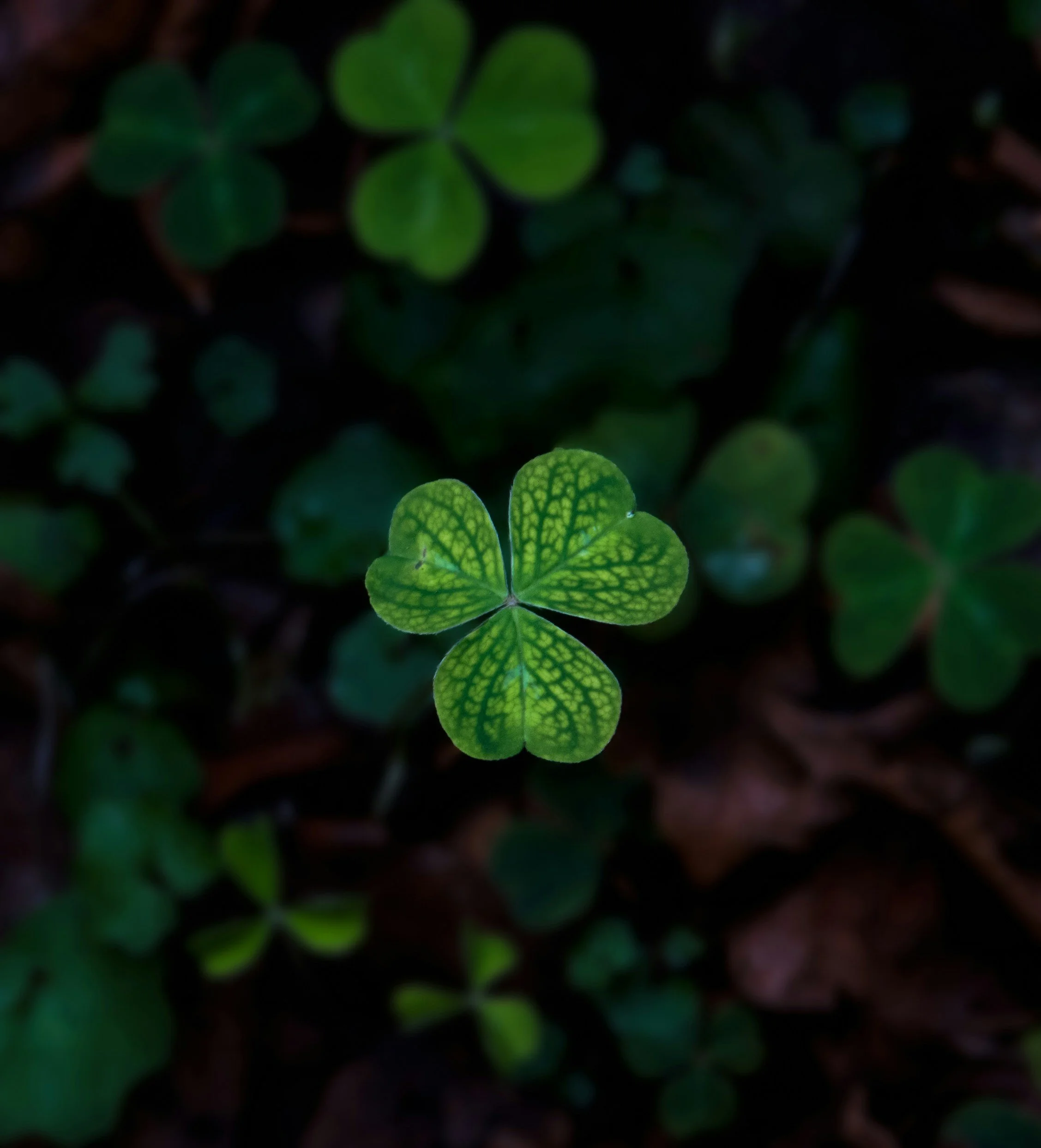
The magical charm of trefoil shamrock goes way beyond the fifth century Christian legend of St.Patrick. The three leaf plant (trefoil) is said to be the source of inspiration for the triskele, triple spiral, pagan symbols and beautifully illustrated knot-work illustrated in the Books of Kells. So why is this little plant classed as lucky? And why does it appear in mythology across so many civilizations?
Read moreDecember Full Moon + Xia Yuan Festival
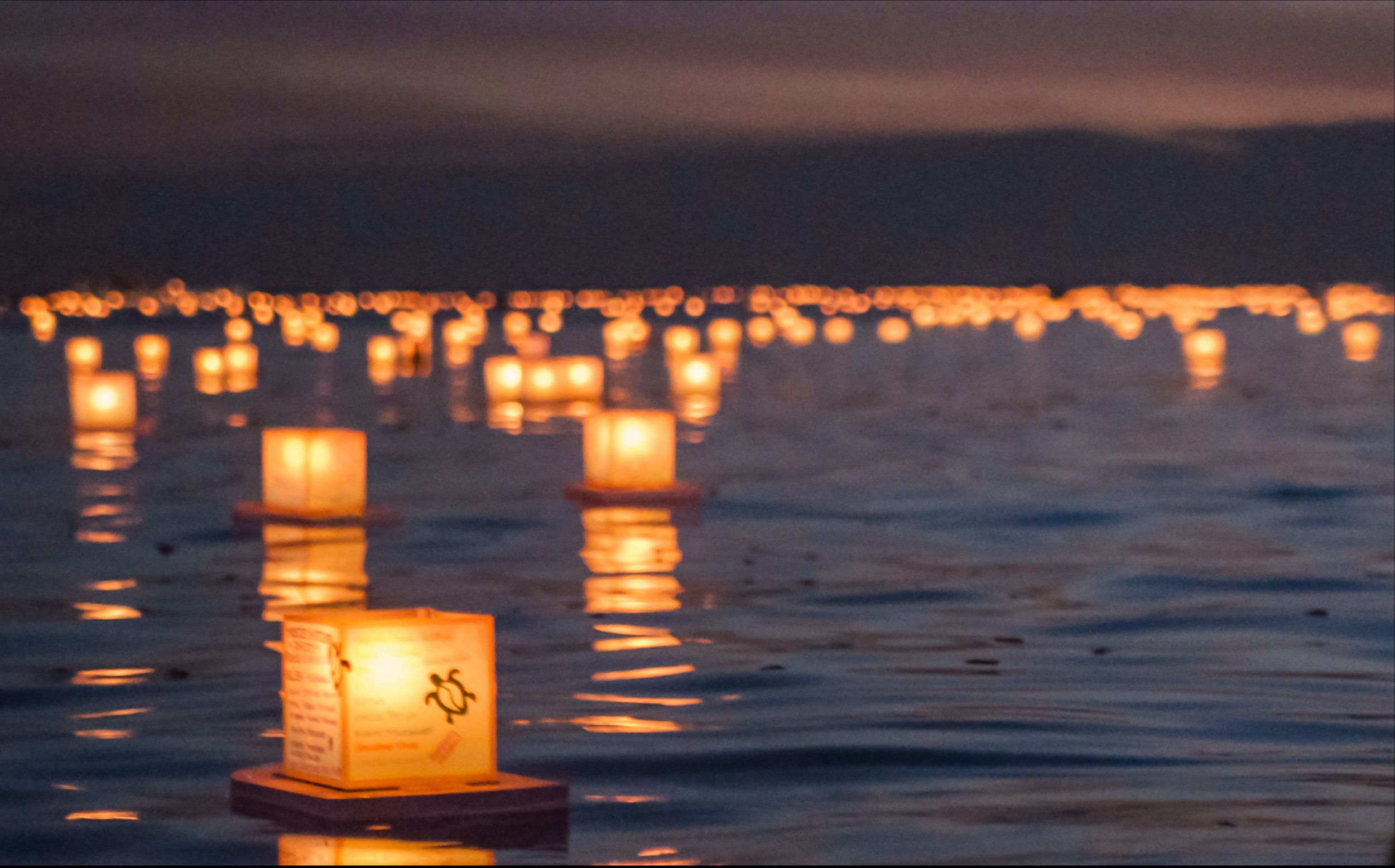
Moon, the night-time celestial luminary holds great significance in the Chinese calendar system. Nowadays, lunas passage through the sky pretty much determines China’s cultural and religious festivals and the solar component is used for timings in Bazi and the 24 solar terms. The upcoming Frost / Cold Moon in Gemini (2025) is especially significant to Taoist devotees, as this Full Moon marks the Xia Yuan Festival. There are five Full Moon centric festivals of note in the Chinese calendar. Two of which are more widely celebrated. All five Moon festivals occur on the 15th day of a Chinese lunar month as it guarantees Luna’s fullest splendor.
Read more